Call us now
New York, New Jersey call us 845-893-2623

Autism spectrum disorder (ASD) encompasses a wide array of conditions that manifest in difficulties with social interactions, repetitive behaviors, and both verbal and nonverbal communication. Current estimates by the Centers for Disease Control suggest that autism impacts approximately 1 in 36 children and 1 in 45 adults in the United States.
Autism presents itself in various forms, highlighting the fact that there is no single manifestation of the disorder. Individuals with autism each possess a unique combination of abilities and challenges. While some may communicate verbally, others might be nonverbal or communicate through alternative means. Intellectual abilities among people with autism also vary widely—some may experience intellectual disabilities, while others do not.
The level of support needed can range significantly as well, with some individuals requiring extensive assistance in daily activities.
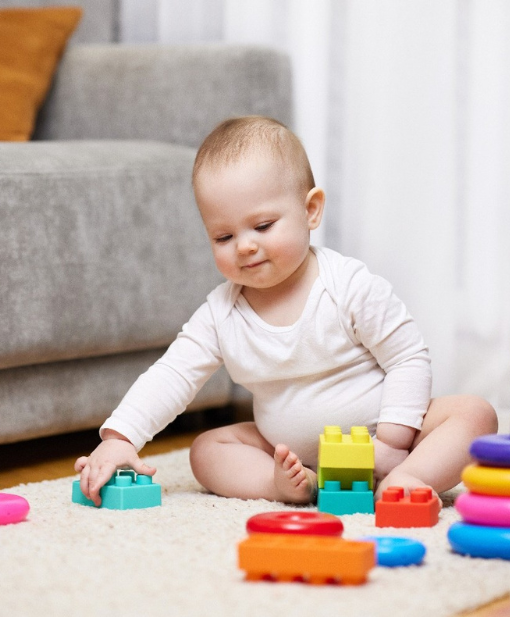

Individuals on the autism spectrum may exhibit a variety of behaviors and reactions that serve as indicators of their condition. A common characteristic observed is an avoidance of eye contact, which is often accompanied by a noticeable discomfort with physical touch. Delays in the development of speech and communication skills are also prevalent, impacting the ability to engage effectively with others.
Many individuals with autism show a strong adherence to rules, rituals, and routines, finding security and predictability in these structures. Sensory sensitivities are also a notable feature, with unusual reactions to specific sounds, tastes, sights, touches, or smells. These individuals may find it challenging to understand and interpret other people’s emotions, which can complicate social interactions further. A tendency to display obsessive or hyper-focused behavior on topics, interests, or objects is common, as is engagement in repetitive behaviors such as body rocking, grunting, or hand-flapping.
Understanding these common indicators and characteristics is crucial for clinicians in providing appropriate support and interventions.
In monitoring early childhood development, certain indicators can suggest the presence of Autism Spectrum Disorder (ASD).
By 4 months, an absence of babbling may be noticeable, followed by a lack of smiling by five months. The absence of laughter or social smiling by six months and a disinterest in interactive social games such as pat-a-cake or peek-a-boo by 8 months can be early signs.
Additionally, by 12 months, it’s concerning if a child does not respond to their name, fails to follow pointing gestures, or shows unusual distress in response to loud noises. Another indicator is a child’s limited inclination to seek comfort from a parent or caregiver in unfamiliar situations. A preference for solitary play, extending for long periods, can also be a characteristic of ASD.
These early signs are crucial for clinicians and parents to recognize, as they can lead to earlier diagnosis and intervention, which are pivotal in supporting the child’s development.
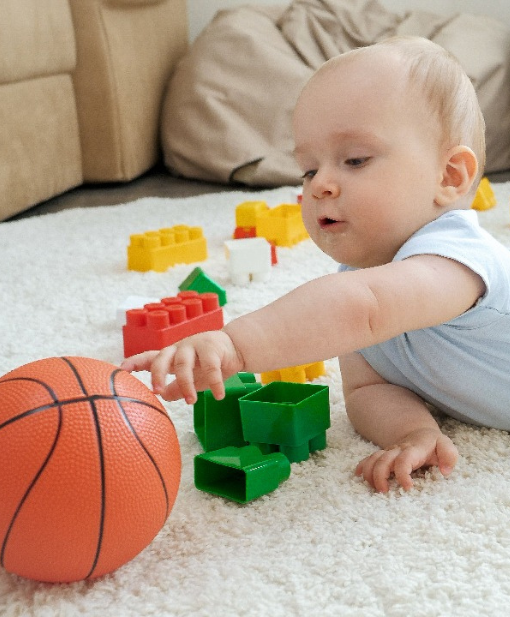
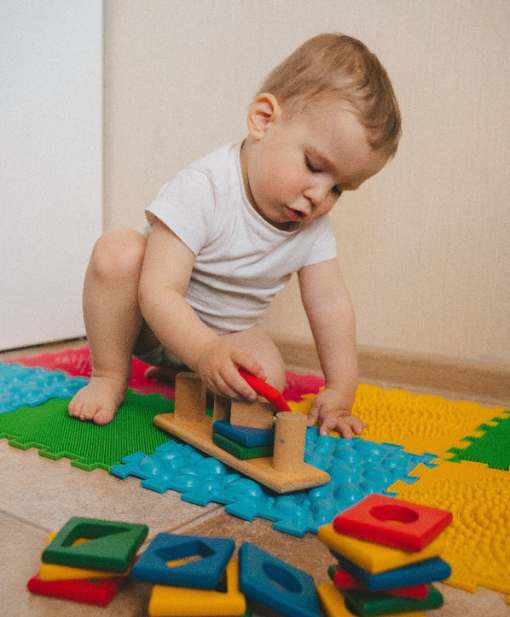
By 14 months, a notable indicator of Autism Spectrum Disorder (ASD) can be the absence of pointing to show interest in distant objects, an action typically developed by this age. Furthermore, a limited progression in language skills is observed, such as not saying “mama” or “dada” by the one-year mark, and difficulties in constructing simple sentences by two years old. Children may show a preference for using single words over phrases and engage in persistent word repetition.
A marked lack of interest in social interaction with peers or participation in group activities is often evident. Additionally, there might be a limited inclination towards imitating the actions of others, which is a critical aspect of learning in early childhood. Engagement in repetitive behaviors is another common characteristic.
In children aged 3 to 5 years, the manifestation of Autism Spectrum Disorder (ASD) can include several distinct characteristics crucial for pediatric clinicians to recognize. These young children may show limited emotional expression and face challenges in interpreting emotions and facial expressions in others, often resulting in a reduced attachment to parents and a noticeable reluctance to engage in social interactions or participate in group play. An intense fixation on specific toys or objects is common, alongside a persistent repetition of words or phrases, whether mimicked or self-initiated. Instead of using age-appropriate slang, they may resort to formal language and expressions.
Many experience a delayed development of language skills, with some remaining non-verbal, and may struggle with toilet training. Behavioral indicators include frequent tantrums or meltdowns and physically aggressive behaviors towards themselves or others, such as hitting, head-banging, or skin-picking. Additionally, these children might engage in repetitive behaviors like hand-flapping, rocking, or twirling.
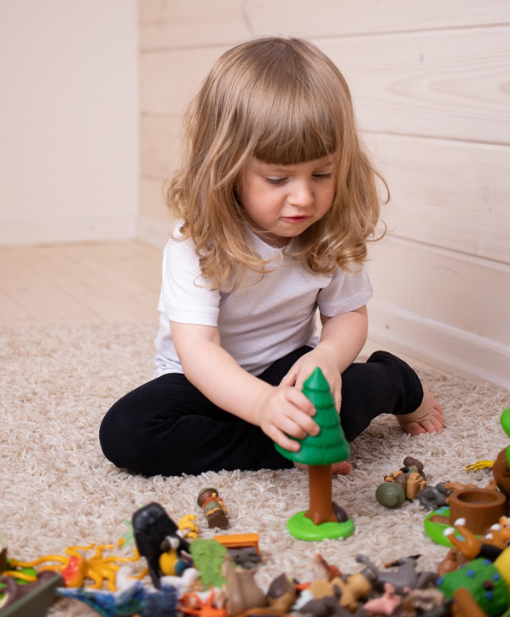
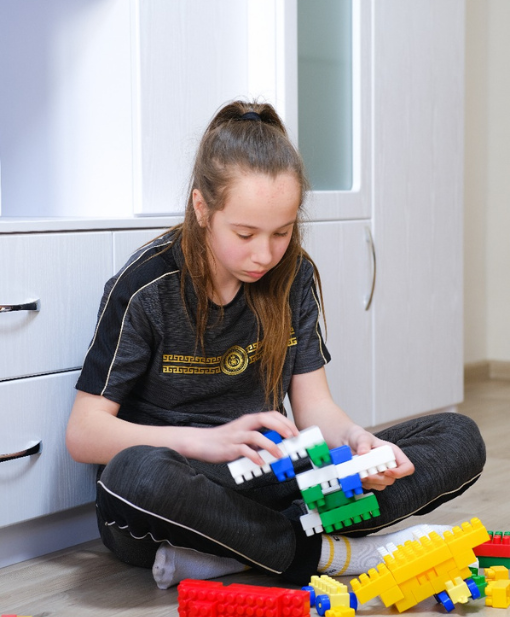
Older children and adolescents with Autism Spectrum Disorder (ASD) often display obsessive or hyper-focused behavior on specific topics, alongside a pronounced involvement in repetitive behaviors. A significant trait is limited or entirely absent eye contact, coupled with substantial challenges in navigating social settings and interactions.
These individuals may struggle to identify emotions, both in themselves and others, and show a marked preference for solitude, often avoiding or displaying discomfort with physical contact. Unusual sleep patterns are frequently reported, as is the use of formal language, which contrasts with the peer-appropriate slang typically adopted by adolescents. A strong adherence to routines, rituals, and rules is common, along with pronounced preferences for specific foods, clothing, or objects.